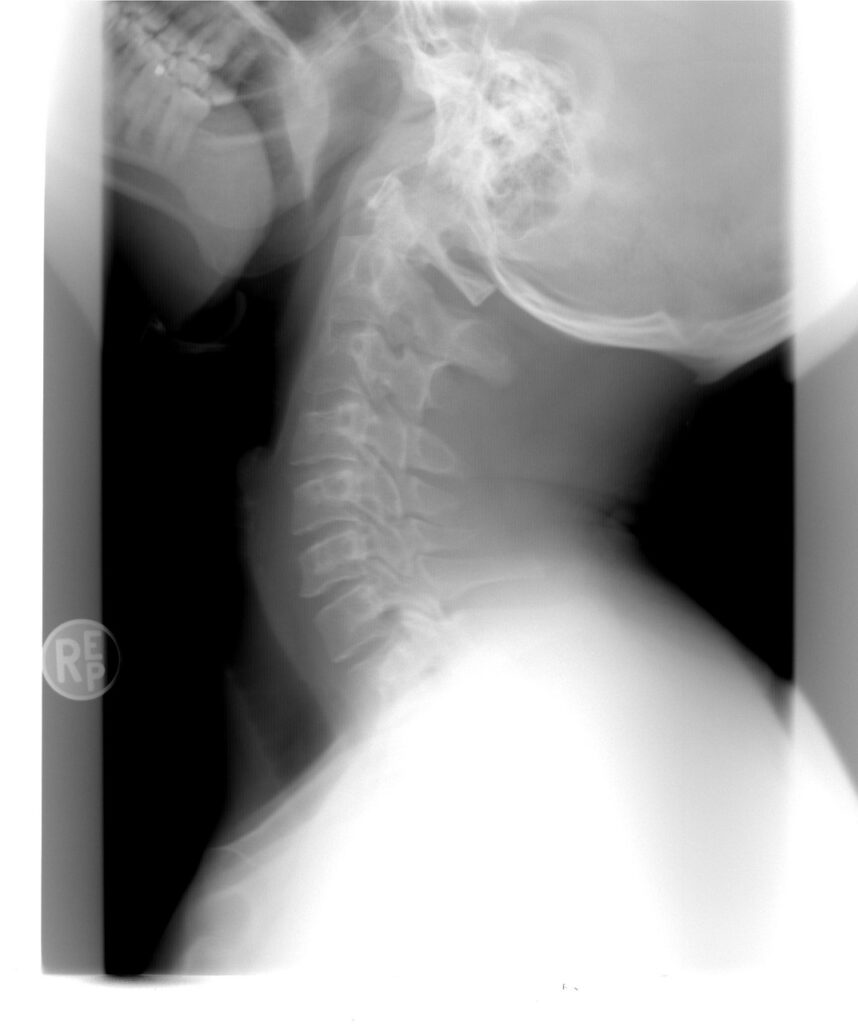
A traumatic brain injury (TBI) does not always appear on an X-ray. Many victims leave the emergency room believing they are “lucky to be alive,” only to struggle weeks or months later with memory loss, mood swings, headaches, and cognitive changes that disrupt every aspect of their lives.
In California personal injury cases, TBIs are often called “invisible injuries” because the most devastating symptoms are neurological and psychological, not always physically obvious. Yet, these injuries often involve significant long-term damage and may result in substantial settlements or verdicts.
If you or a loved one is experiencing long-term cognitive or neurological symptoms after an accident, working with an experienced California traumatic brain injury lawyer can be critical. Proper documentation is what transforms a medical diagnosis into a strong legal claim.
This guide explains how TBIs are diagnosed, documented, and proven in California personal injury cases, especially when seeking compensation beyond initial ER treatment.
What Is a Traumatic Brain Injury?
A traumatic brain injury occurs when a sudden impact, jolt, or penetrating injury disrupts normal brain function.
Common causes in California include:
- Car accidents
- Motorcycle crashes
- Bicycle and pedestrian accidents
- Falls on unsafe property
- Workplace incidents
Even a “mild” concussion can result in long-term complications. TBIs are typically categorized as:
- Mild (Concussion)
- Moderate
- Severe
However, from a legal perspective, the value of a case depends less on the medical label and more on how the injury affects the victim’s daily functioning, employment, and long-term independence.
Why TBIs Are Often Missed at the Emergency Room
Emergency rooms prioritize stabilizing life-threatening conditions. Standard ER imaging, such as CT scans, may not detect subtle brain trauma. Many patients are discharged with instructions to “rest and monitor symptoms.”
Days or weeks later, they may experience:
- Persistent headaches
- Sensitivity to light and noise
- Memory problems
- Difficulty concentrating
- Personality changes
- Depression or anxiety
Without continued medical follow-up, these symptoms may go undocumented, weakening a potential legal claim. Insurance companies frequently rely on early medical records to argue that later symptoms are unrelated.
The Legal Challenge: Proving an “Invisible” Injury
Unlike a broken bone, a brain injury may not appear obvious in photographs or initial scans. Insurance companies frequently argue:
- Symptoms are exaggerated
- The injury was pre-existing
- The condition is psychological rather than neurological
- The victim has fully recovered
This is why detailed, ongoing medical documentation is essential. An experienced Alameda County TBI attorney understands how to build a compelling case using medical experts, diagnostic tools, and life-impact evidence.
Key Medical Evidence in TBI Cases
Strong traumatic brain injury claims typically rely on a combination of medical specialists and objective testing.
1. Neurological Evaluations
A neurologist evaluates cognitive function, reflexes, motor skills, and neurological deficits. These evaluations help establish measurable impairment.
2. Neuropsychological Testing
Neuropsychologists conduct comprehensive cognitive assessments that measure:
- Memory
- Processing speed
- Executive functioning
- Problem-solving ability
- Emotional regulation
These tests create quantifiable proof of cognitive decline.
3. Advanced Imaging
While CT scans may appear normal, advanced imaging, such as MRI and, in some cases, diffusion tensor imaging (DTI), may be used when clinically appropriate to evaluate potential structural changes.
4. Ongoing Treatment Records
Consistent therapy notes, follow-up appointments, and specialist consultations demonstrate persistent symptoms over time. The more comprehensive and consistent the documentation, the stronger the legal claim.
Beyond Medical Bills: Proving Loss of Enjoyment of Life
In California, injury victims may recover both economic and non-economic damages.
Economic Damages:
- Medical expenses
- Lost wages
- Future medical care
Non-Economic Damages:
- Pain and suffering
- Emotional distress
- Loss of enjoyment of life
Loss of enjoyment of life is particularly significant in TBI cases. For example:
- A parent who can no longer actively engage with their children
- A professional who struggles with focus and memory
- An athlete who can no longer participate in sports
- An independent adult who now requires supervision
These losses are real, but they must be proven through evidence. Experienced brain injury trial counsel may rely on testimony from family members, vocational experts, life-care planners, and medical specialists to illustrate how the injury affects relationships, employment, independence, and long-term quality of life.
High-Value TBI Cases in California
Because TBIs often require long-term or lifelong care, settlements and verdicts can be substantial. Factors influencing case value include:
- Severity of cognitive impairment
- Age of the victim
- Impact on earning capacity
- Need for ongoing medical treatment
- Emotional and psychological consequences
Younger victims with permanent impairment may face decades of lost income and care costs, significantly increasing potential compensation.
Common Causes of TBI in Alameda County
In communities like Fremont and throughout Alameda County, TBIs frequently result from:
- High-speed collisions on Interstate 880
- Pedestrian accidents at busy intersections
- Slip-and-fall accidents in commercial properties
- Motorcycle crashes
Side-impact collisions and sudden deceleration injuries are particularly likely to cause brain trauma.
The Role of Expert Witnesses
TBI cases often require testimony from:
- Neurologists
- Neuropsychologists
- Rehabilitation specialists
- Economists
- Vocational experts
These professionals translate complex medical findings into understandable evidence for judges and juries. Without expert support, insurance companies may dismiss symptoms as subjective complaints.
The Importance of Early Legal Guidance
Brain injuries are time-sensitive from both medical and legal perspectives. Early legal involvement helps ensure:
- Proper referrals to specialists
- Immediate documentation of symptoms
- Preservation of accident evidence
- Coordination of comprehensive evaluations
Waiting too long can allow insurers to argue that symptoms are unrelated to the accident.
What Families Should Watch For
Family members are often the first to recognize behavioral changes. Warning signs may include:
- Irritability or mood swings
- Withdrawal from social activities
- Difficulty managing finances
- Forgetfulness
- Poor judgment
Documenting these behavioral changes can significantly strengthen claims for non-economic damages.
Compensation Available in TBI Cases
A successful traumatic brain injury claim may include compensation for:
- Emergency medical treatment and hospitalization
- Ongoing therapy and prescription medications
- Lost wages and reduced earning capacity
- Pain and suffering
- Loss of enjoyment of life
- Long-term care needs
In catastrophic cases, lifetime care costs can reach millions of dollars.
Why Choosing the Right Lawyer Matters
TBI cases are among the most complex personal injury claims in California. They require a deep medical understanding, strategic expert selection, detailed life-impact documentation, and strong trial skills.
A qualified brain injury lawyer in Alameda County understands how to present invisible injuries in a compelling, evidence-based manner. When properly documented, TBIs are not “minor concussions.” They are life-altering injuries that deserve full and fair compensation.
Final Thoughts
The emergency room is only the beginning of the traumatic brain injury journey. True recovery and fair compensation require thorough documentation, expert support, and strategic legal advocacy.
A traumatic brain injury requires careful documentation and strategic advocacy. If ongoing symptoms are affecting your life, early legal guidance can help ensure the full scope of your injury is recognized.
A traumatic brain injury requires careful documentation, expert analysis, and strategic advocacy. If you or a family member is experiencing ongoing cognitive or neurological symptoms after an accident, early legal guidance is vital. Reach out to Mirador Law to ensure the full scope of your invisible injury is recognized, properly valued, and fiercely protected.