Prop 213 in California: Can an Uninsured Driver Still Sue After a Car Accident?
Reviewed by Megan T. Burns, Mirador Law If you were driving without insurance when another driver hit you in California, you can still sue and you…
Read More
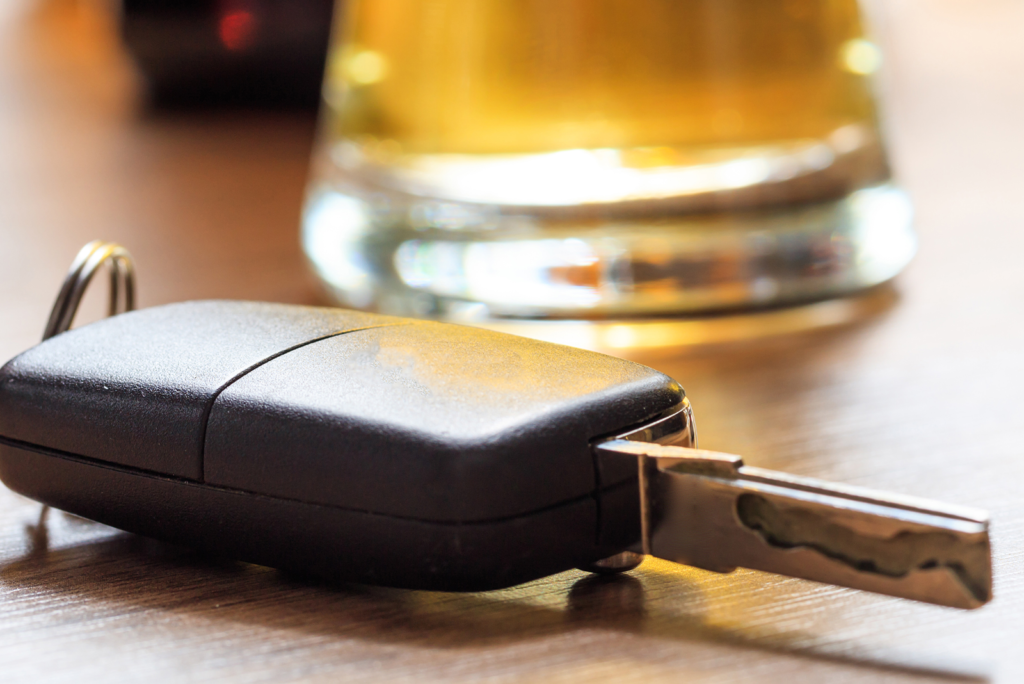
When a driver refuses a breath or blood test after causing an accident, it can have significant legal implications. In California, if a driver refuses a test, it may influence both proceedings and personal injury claims. Understanding how this refusal affects your ability to recover damages is essential for protecting your legal rights and maximizing compensation.
If you’ve been injured in a collision caused by a potentially impaired driver, consulting a personal injury lawyer ensures that your case accounts for all evidence, including the driver’s refusal to submit to testing. This guide explores how refusals impact claims, the role of evidence, and the steps injured victims should take.
California’s “Implied Consent” Law requires drivers to submit to a chemical test if law enforcement arrests them on suspicion of DUI. However, it is critical to distinguish between the two types of tests:
Refusing a mandatory post-arrest chemical test (breath or blood) can have serious consequences:
When a driver refuses a test, courts and insurance companies may view this as evidence of negligence or intoxication, potentially strengthening your personal injury claim.
A scenario involving a California accident where a driver refused a breath test can affect claims in several ways:
Example: In a Bay Area collision, the at-fault driver refused a breath test after a nighttime crash. The refusal, combined with witness testimony and accident reconstruction, helped the injured passenger secure a settlement covering medical bills, lost wages, and pain and suffering.
If you are injured in an accident where the at-fault driver refuses testing, taking proper steps is critical:
Mini Case Study: A passenger in Fremont was injured by a driver who refused a blood test. Law enforcement documented the refusal, and the lawyer used it alongside traffic camera footage to secure a full settlement for medical costs and rehabilitation.
Even without chemical test results, other forms of evidence are crucial in proving negligence and damages:
Courts recognize that a refusal can strengthen claims when supported by corroborating evidence, particularly in civil cases.
Insurance companies often evaluate claims differently when a driver refuses a breath or blood test:
Insight: Working with a personal injury lawyer in the Bay Area residents maximizes the benefit of this evidence and mitigates insurer challenges.
California follows a pure comparative fault system, meaning damages are reduced only by the claimant’s percentage of fault. A refusal to submit to a test can help shift liability toward the at-fault driver:
This approach encourages victims to pursue claims even if minor contributory fault exists.
A skilled personal injury lawyer in the Bay Area can:
To protect your rights, avoid these pitfalls:
What happens if a driver refuses a breath test in California?
If the driver refuses a mandatory post-arrest test, they may face automatic license suspension, fines, and potential evidence of impairment for civil claims.
Does refusal automatically prove negligence?
Not automatically, but courts and insurers may consider it evidence supporting liability.
How does a refusal affect insurance claims?
It can increase the likelihood of a favorable settlement and reduce disputes over fault.
Can witnesses help if the driver refused a test?
Yes. Witness testimony about erratic driving, impairment signs, or the accident itself strengthens your claim.
How long do I have to file a personal injury claim?
California law generally allows two years from the date of the accident to file a claim.
Should I speak to the insurance adjuster about the refusal?
Consult a lawyer first. Adjusters may attempt to minimize the claim without legal guidance.
Can refusal evidence be used in court?
Yes. Courts can consider refusal, along with other evidence, when evaluating fault and damages.
A California accident where a driver refused a breath test presents both challenges and opportunities in personal injury claims. While the refusal may complicate proceedings, it often strengthens civil claims by providing evidence of potential impairment and negligence.
Consulting a personal injury lawyer Bay Area residents trust ensures that your case leverages all available evidence, including refusals, police reports, witness statements, and accident reconstruction. Prompt legal action, proper documentation, and strategic handling of refusal evidence can maximize compensation for medical bills, lost wages, and pain and suffering.
Reviewed by Megan T. Burns, Mirador Law If you were driving without insurance when another driver hit you in California, you can still sue and you…
Read MoreA truck accident claim is not just a bigger car accident claim. If a big rig hit you on I-880 through West Oakland, on I-580 in…
Read MoreFrom Crisis to Clarity
Serious injuries demand immediate action. The sooner we evaluate your case, the stronger your position becomes. Schedule a free consultation to understand your options, your timeline, and the path forward to full compensation.
Schedule Confidential Consultation