

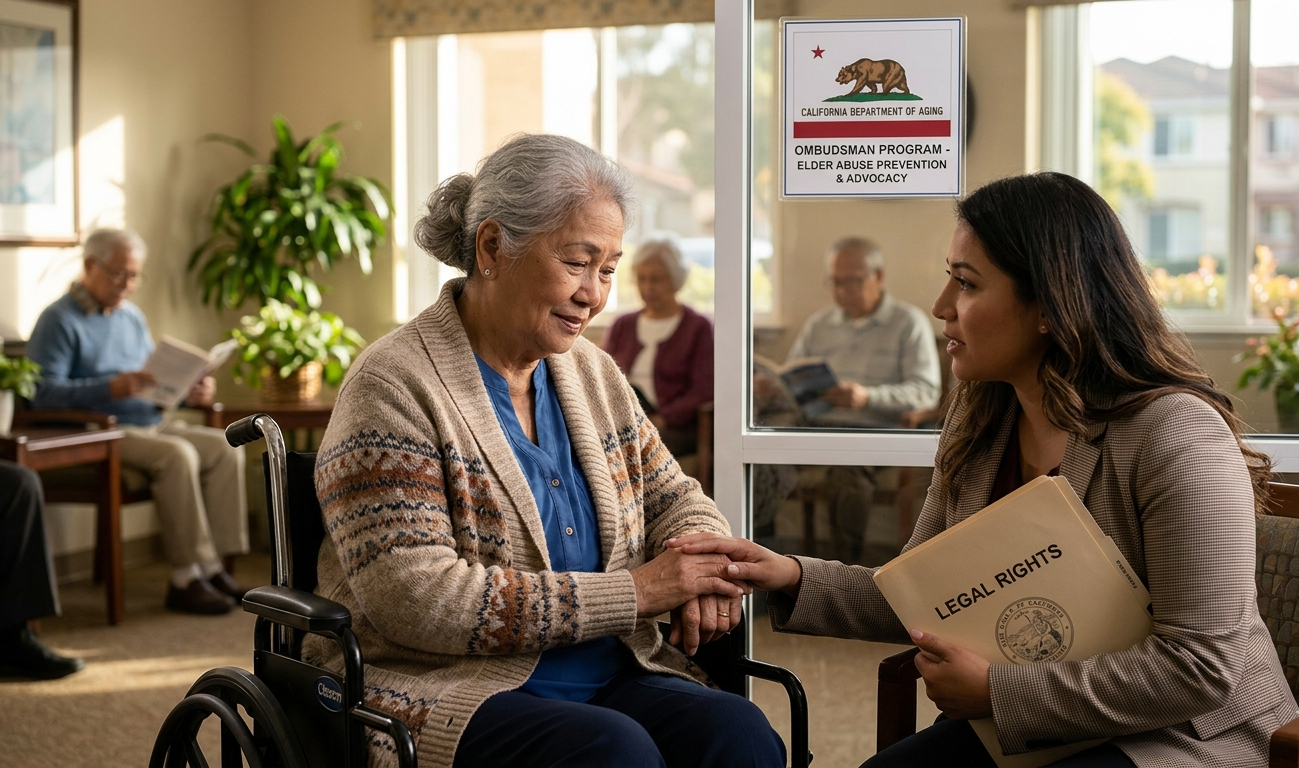
Elder Abuse in Fremont Nursing Homes and Assisted Living Facilities: How California Law Protects Seniors
When a family chooses a nursing home or assisted living facility in Fremont, the decision usually comes with hope and worry in equal measure. Hope that a parent or grandparent will be safe, comfortable, and treated with dignity. Worry about what happens when no one is watching. Most caregivers do their jobs well, but California has strong laws because abuse and neglect of older adults still happen far too often, in some of the most respected facilities and in smaller residential care homes alike.
If you suspect mistreatment of a loved one, working with an experienced elder abuse lawyer Fremont families rely on can help you understand what happened, hold the right people accountable, and protect the senior from further harm. This guide walks you through the warning signs, the legal protections that apply under California law, who is legally required to report suspected abuse, and the key deadlines families need to know.
Why Elder Abuse Cases Look Different in California
California has one of the strongest elder protection laws in the country: the Elder Abuse and Dependent Adult Civil Protection Act, codified at Welfare and Institutions Code §15600 and following sections. The Act recognizes that older adults and dependent adults are especially vulnerable and that traditional negligence claims do not always capture the seriousness of the harm.
Under §15610.07, abuse of an elder or dependent adult can include:
- Physical abuse
- Neglect
- Abandonment
- Isolation
- Abduction
- Financial abuse
- Other treatment causing physical harm, pain, or mental suffering
- Deprivation of goods or services necessary to avoid physical harm or mental suffering
For families across the San Francisco Bay Area, the practical importance of this law is that it provides remedies and protections that ordinary negligence claims do not.
Warning Signs of Elder Abuse in Fremont Nursing Homes and Assisted Living Facilities
Abuse and neglect can be subtle, especially for residents with dementia or limited ability to communicate. Family members are often the first line of defense. Watch for the following warning signs.
Physical Abuse
- Unexplained bruises, welts, or fractures
- Marks consistent with restraint use, including on the wrists or ankles
- Repeated falls without clear explanation
- Sudden fear of a particular staff member or caregiver
- Pulling away when touched
Neglect
- Pressure ulcers, often called bedsores, especially Stage III or IV
- Dehydration, malnutrition, or unexplained weight loss
- Strong smell of urine or unchanged adult briefs
- Poor hygiene, matted hair, or untrimmed nails
- Untreated infections or unmanaged chronic conditions
- Medication errors or missed doses
- Falls from bed or in the bathroom in facilities that knew the resident was a fall risk
Emotional or Psychological Abuse
- Sudden withdrawal or depression
- Anxiety around certain caregivers
- Yelling, threats, or humiliating language directed at residents
- Forced isolation from family and friends
Financial Exploitation
Financial elder abuse is defined separately under Welfare and Institutions Code §15610.30, which broadly covers taking, secreting, appropriating, or retaining real or personal property of an elder or dependent adult for a wrongful use, with intent to defraud, or by undue influence. Common red flags include:
- Unusual bank withdrawals, transfers, or new credit accounts
- Changes to wills, trusts, or powers of attorney made under suspicious circumstances
- Missing belongings, jewelry, or cash
- A caregiver who insists on handling the resident’s finances
- Pressure to add a non-family member to property titles or accounts
A single warning sign is not always proof of abuse, but a pattern of warning signs, especially combined with the facility’s failure to respond, may justify a closer look.
Who Must Report Suspected Elder Abuse in California
California law does not leave reporting to chance. Under Welfare and Institutions Code §15630, a wide range of people are legally classified as mandated reporters of suspected elder or dependent adult abuse. The category includes:
- Administrators and employees of long-term care facilities, including nursing homes and assisted living
- Care custodians of elders or dependent adults
- Health practitioners (physicians, nurses, therapists, EMTs, and many others)
- Adult Protective Services employees and law enforcement
- Clergy members in most circumstances
- Employees of county adult protective services, public guardian, probation, or law enforcement agencies
Mandated reporters who observe or are told about suspected physical abuse generally must make a report by telephone or through a confidential online system as soon as practicable, followed by a written report. Knowing failure to report is itself a crime. For families, this matters in two ways. First, it sets expectations: if a staff member at a Fremont facility knew about an injury or financial concern and did not report it, that may itself be evidence of misconduct. Second, families can use mandated reporter records and incident reports as part of building the civil case.
How the Elder Abuse Act Differs From Ordinary Negligence
Many injury cases involving older adults could be brought as ordinary negligence claims. The Elder Abuse Act, however, recognizes a separate, more serious category of misconduct.
Under Welfare and Institutions Code §15657, when a plaintiff proves by clear and convincing evidence that a defendant is liable for physical abuse, neglect, or abandonment, and that the defendant has been guilty of recklessness, oppression, fraud, or malice in the commission of that abuse, enhanced remedies become available. Those enhanced remedies can include:
- Recovery of attorneys’ fees and costs
Recovery of the elder’s pre-death pain and suffering damages, even when the elder has died. This is significant because the general bar on a decedent’s pain and suffering under Code of Civil Procedure §377.34 can otherwise limit family recovery in survival actions
- Heightened scrutiny of corporate decisions, staffing patterns, and policies
This higher standard exists because California recognized that some facility owners and operators were treating bedsores, falls, dehydration, and medication errors as ordinary risks of aging instead of preventable injuries.
“Neglect” in California Elder Abuse Law
Neglect under §15610.57 is more specific than the everyday meaning of the word. It includes failures by a person having care or custody of an elder to:
- Assist with personal hygiene or the provision of food, clothing, or shelter
- Provide medical care for physical and mental health needs
- Protect the elder from health and safety hazards
- Prevent malnutrition or dehydration
When a nursing home in Fremont, Newark, or anywhere in Alameda County is understaffed, undertrained, or rushing residents through care, those failures can rise to the level of statutory neglect under California law.
Common Elder Abuse Scenarios in Fremont Facilities (Hypothetical)
The following hypothetical scenarios illustrate situations families may encounter. They are not based on any specific client and are provided for educational purposes only.
Hypothetical 1: Pressure Ulcer in a Memory Care Facility
An 84-year-old resident with advanced dementia in a Fremont memory care facility develops a Stage IV pressure ulcer on the lower back. Records show the resident was identified as high risk on admission, but turning and repositioning charts contain gaps and the wound was not reported to family for several weeks. The facility’s understaffing during the relevant period may support more than an ordinary negligence claim and could open the door to enhanced remedies under §15657.
Hypothetical 2: Repeated Falls in Assisted Living
A 78-year-old assisted living resident in the Tri-Valley falls three times in two months, suffering a hip fracture on the third fall. Care plans called for a bed alarm and one-on-one assistance during transfers, but staff did not consistently follow them. The pattern, combined with prior incident reports, may support a claim of reckless neglect.
Hypothetical 3: Suspicious Account Activity
A Newark family discovers a series of large bank transfers from their mother’s account to an in-home caregiver over a six-month period. Their mother has mild cognitive impairment. The activity may support a financial elder abuse claim under §15610.30, with the four-year discovery rule preserving the right to sue.
Statutes of Limitations: Time Limits That Can Make or Break a Case
California has strict deadlines for filing elder abuse claims, and missing them can permanently bar recovery.
Physical Abuse and Neglect: Generally Two Years
Most claims for physical abuse and neglect under the Elder Abuse Act follow California’s two-year statute of limitations for personal injury, set out in Code of Civil Procedure §335.1. In some cases, the delayed discovery rule can extend that deadline when the abuse was concealed or its connection to harm was not reasonably knowable.
Financial Elder Abuse: Up to Four Years
Welfare and Institutions Code §15657.7 provides that an action for financial abuse of an elder or dependent adult must be brought within four years of when the plaintiff discovered, or through the exercise of reasonable diligence should have discovered, the facts constituting the financial abuse.
Wrongful Death and Survival Claims
If a senior dies as a result of abuse or neglect, a separate wrongful death claim may be available to surviving family members, typically subject to its own two-year deadline. A survival action may continue the elder’s own claims. The interplay with §15657 and §377.34 can be critical when calculating the full value of the case.
Because the rules can shift depending on the facts, families who suspect abuse should not wait. Reaching out to an East Bay personal injury attorney early gives the strongest chance of preserving the case.
What to Do If You Suspect Elder Abuse in Fremont
Families often feel paralyzed when they first sense that something is wrong. A few practical steps can help.
- Document concerns in writing, with dates and details
- Take photos of injuries, bedsores, conditions of the room, and unsanitary areas
- Request the resident’s complete medical and facility records in writing
Report suspected abuse to Adult Protective Services and, when appropriate, local law enforcement
Contact the California Long-Term Care Ombudsman: a separate program that advocates specifically for residents of nursing homes and residential care facilities. Each county has a local Ombudsman office that can investigate complaints confidentially
File a complaint with the California Department of Public Health for skilled nursing facilities or the Department of Social Services Community Care Licensing Division for assisted living
- Speak with an experienced elder abuse lawyer who can preserve evidence before the facility revises records or changes staffing
These steps protect the senior, create a paper trail, and put facility management on notice that the family is paying attention.
How a Fremont Elder Abuse Lawyer Can Help Your Family
An experienced elder abuse attorney can take pressure off your family while focusing on three goals: protecting your loved one, holding the right parties accountable, and pursuing fair compensation. That work often includes:
- Reviewing medical records, charting gaps, and staffing data
- Identifying every responsible party, including facility owners, parent companies, and individual staff
- Working with nursing, geriatric, and wound-care experts
- Pursuing enhanced remedies under §15657 where the evidence supports them
- Preparing the case for trial when the defense refuses to take the claim seriously
At Mirador Law, we approach elder and dependent abuse cases with the same intensity we bring to our largest trial cases. See our elder and dependent abuse practice page for more on how we work with families across the East Bay.
Conclusion
Elder abuse and neglect in Fremont nursing homes and assisted living facilities is a serious problem that California law treats with special weight. The Elder Abuse and Dependent Adult Civil Protection Act exists because older adults deserve more than the bare minimum, and because families need real tools when caregiving fails. If you have a gut feeling that something is wrong with a parent, grandparent, or loved one in care, trust that instinct and get answers.
If you believe a senior you love has been mistreated anywhere in the Tri-Valley, the broader East Bay, or Northern California, the team at Mirador Law is here to listen. Call our Pleasanton office at (925) 460-8484 or our Newark office at (510) 785-8400 to talk through your concerns in a confidential consultation.
Frequently Asked Questions
What qualifies as elder abuse under California law?
Under Welfare and Institutions Code §15610.07, elder abuse includes physical abuse, neglect, abandonment, isolation, abduction, financial abuse, and other treatment causing physical harm, pain, or mental suffering. The law also covers deprivation by a caregiver of goods or services necessary to avoid physical harm or mental suffering.
Who is required to report suspected elder abuse in California?
Under §15630, mandated reporters include long-term care facility staff, care custodians, health practitioners, clergy, and law enforcement, among others. Knowing failure to report is itself a crime.
Who can be sued in a California elder abuse case?
Depending on the facts, claims may be brought against individual caregivers, supervisors, nursing home or assisted living operators, parent corporations, in-home agencies, financial predators, and others responsible for the senior’s well-being.
How long do I have to file an elder abuse lawsuit in California?
Most physical abuse and neglect claims follow the two-year deadline under CCP §335.1. Financial elder abuse claims under §15657.7 generally have a four-year deadline from discovery.
Can I bring an elder abuse claim if my loved one has passed away?
Yes. Surviving family members can often pursue a wrongful death claim along with a survival action. When the §15657 threshold is met, the family may recover the elder’s pre-death pain and suffering damages that are otherwise limited under CCP §377.34.
What evidence is needed to prove nursing home neglect?
Common categories of evidence include medical and care records, charting gaps, staffing schedules, internal incident reports, expert opinions from nurses and physicians, photographs of injuries, witness statements from family members and staff, and prior complaints filed with state regulators.
Does the Elder Abuse Act apply to assisted living facilities and in-home caregivers?
Yes. The Elder Abuse Act applies broadly to people and entities responsible for the care or custody of an elder or dependent adult. That includes skilled nursing facilities, residential care facilities for the elderly, and in-home caregivers, depending on the specific circumstances.
Disclaimer
This article is for general informational purposes only and is not legal advice. Reading this content does not create an attorney-client relationship with Mirador Law. Every case is different, and outcomes depend on the unique facts and applicable law. If you believe you have a legal claim, consult a licensed California attorney about your specific situation.
Attorney Advertisement. Mirador Law, Pleasanton, CA. Past results do not guarantee future outcomes. Every case is unique and results depend on individual facts and circumstances.