

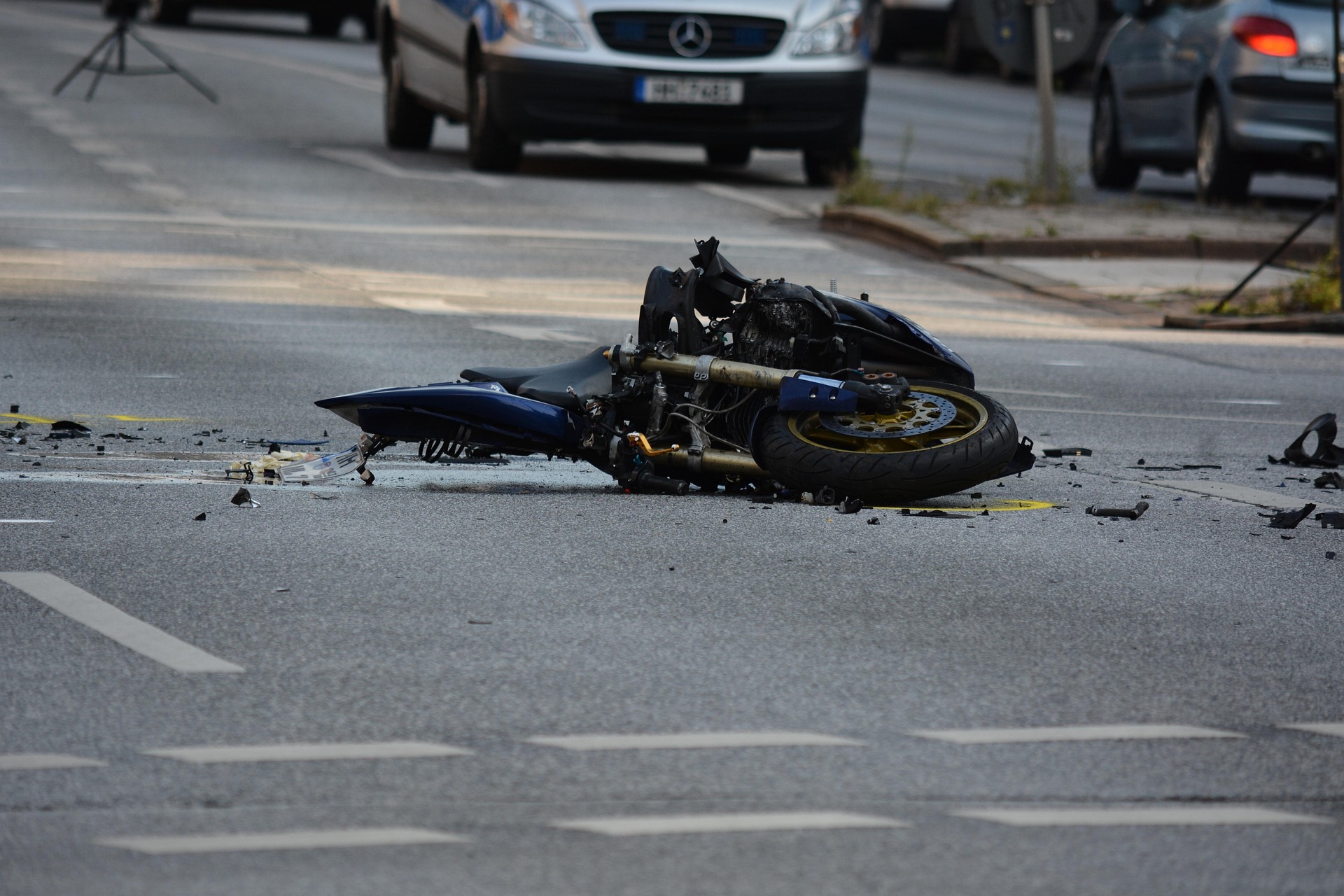
Motorcycle Crash on I-580 Through the Tri-Valley? How Fault Is Determined in Pleasanton, Dublin, and Livermore
A motorcycle crash on I-580 through the Tri-Valley can happen in a fraction of a second but the legal aftermath can stretch on for months or years. If you were injured on I-580 near Pleasanton, Dublin, or Livermore, a Tri-Valley motorcycle accident lawyer can help you understand fault, insurance liability, and your right to full compensation under California law.
One of the most misunderstood and contested factors in these cases is lane-splitting legal under California law, but routinely mischaracterized by insurance companies to shift blame onto injured riders. Understanding how fault is actually determined on I-580 is critical to protecting your claim.
Why I-580 Through the Tri-Valley Is So Dangerous for Motorcyclists
The I-580 corridor through Pleasanton, Dublin, and Livermore is one of the most heavily traveled highways in Alameda County. Commuter congestion, high-speed merges, and the mix of local traffic with through-highway drivers create conditions that are consistently dangerous for motorcyclists.
A Tri-Valley motorcycle accident lawyer regularly handles crashes caused by:
- Unsafe or unsignaled lane changes by passenger vehicles and commercial trucks
- Sudden hard braking in stop-and-go commuter traffic
- Drivers failing to check blind spots before merging
- Rear-end collisions during congestion near the Pleasanton, Dublin, and Livermore interchanges
- Distracted driving phones, GPS, and in-vehicle displays
- Aggressive merging near on-ramps and exit points
Motorcyclists have no structural protection, which means even collisions at moderate highway speeds can cause catastrophic injuries. The exposure is far greater than for occupants of passenger vehicles, and the stakes in these cases reflect that reality.
California Lane-Splitting Law: What Every I-580 Rider Needs to Know
California is one of the only U.S. states where lane-splitting is explicitly legal, and it remains the most established and clearly protected framework for the practice. This single fact shapes how fault is determined in virtually every motorcycle accident on I-580 through the Tri-Valley.
What is lane-splitting? Lane-splitting is the practice of riding a motorcycle between lanes of slow-moving or stopped traffic. Under California law, it is a lawful maneuver when performed safely and reasonably.
Key legal principles every rider should understand:
- Lane-splitting is not illegal in California
- Riders are expected to do it safely and at a reasonable speed differential
- Other drivers have a legal duty to share the road with lane-splitting motorcyclists
- A driver who makes an unsafe lane change into a lane-splitting motorcyclist can be held fully or primarily liable
A motorcycle accident attorney will rely on these principles when establishing fault and when pushing back against insurance companies that reflexively blame the rider for any crash involving lane-splitting.
When Lane-Splitting Affects Liability and When It Doesn’t
Even though lane-splitting is legal, the manner in which it was performed can influence how fault is allocated under California’s comparative fault system.
Factors that support a safe lane-splitting defense:
- The motorcyclist was traveling at a moderate, reasonable speed
- Traffic was moving slowly or was stopped
- Adequate lane space existed between vehicles
- No sudden weaving or erratic movement occurred
Factors that may contribute to shared fault:
- Excessive speed differential between the motorcycle and surrounding traffic
- Riding too close to vehicles on either side
- Lane-splitting in fast-moving, uncongested traffic
- Abrupt or unpredictable movements between lanes
The key legal standard is reasonableness not the mere fact that lane-splitting occurred. Insurance adjusters working I-580 crash claims in Dublin, Livermore, and Pleasanton frequently attempt to use lane-splitting as a blanket basis for denying or reducing claims. An experienced accident attorney knows how to counter this strategy with evidence.
How Fault Is Determined in I-580 Tri-Valley Motorcycle Crashes
California follows a pure comparative fault system, meaning each party’s liability is assessed as a percentage and damages are reduced accordingly. A Tri-Valley motorcycle accident lawyer evaluates fault through a structured legal analysis:
Step 1: Establish Duty of Care Every driver operating a vehicle on I-580 whether a commuter, commercial trucker, or rideshare driver has a legal duty to operate safely, check mirrors and blind spots, signal lane changes, and share the road with motorcyclists.
Step 2: Identify the Breach Common breaches in I-580 Tri-Valley crashes include:
- Changing lanes without signaling or checking blind spots
- Tailgating or following too closely in stop-and-go traffic
- Distracted driving at highway speeds
- Merging aggressively from on-ramps near Dublin or Livermore interchanges
Step 3: Prove Causation The breach must be the direct cause of the collision. This is where accident reconstruction experts, traffic camera footage, and black box data become essential.
Step 4: Calculate Full Damages Damages include immediate medical costs, long-term care, lost income, reduced earning capacity, pain and suffering, and emotional trauma.
The Evidence That Determines Fault on I-580
Building a strong motorcycle injury claim after an I-580 crash in the Tri-Valley requires specific, time-sensitive evidence. A Dublin personal injury lawyer or Livermore motorcycle injury attorney will move quickly to secure:
Traffic and Surveillance Camera Footage: Caltrans and local agencies maintain cameras along I-580 through Pleasanton, Dublin, and Livermore. This footage can show lane positions, vehicle movements, and the sequence of events leading to the crash. It must be requested quickly many systems overwrite recordings within days.
Vehicle Black Box and Event Data Recorder (EDR) Data: Modern vehicles record speed, braking, and steering data in the seconds before a collision. Accessing this data typically requires vehicle owner consent or a court order and is obtained through the legal discovery process. It can directly establish or refute claims about speed and driver behavior at the moment of impact.
Police and CHP Accident Reports: California Highway Patrol responds to most serious I-580 crashes. Their reports document road conditions, vehicle positions, witness accounts, and preliminary fault assessments. These reports carry significant weight in insurance negotiations.
Witness Statements: Independent witnesses other drivers, passengers, or bystanders who saw the crash or the events leading up to it can provide critical testimony that insurance companies cannot easily dismiss.
Accident Reconstruction Expert Testimony: For high-speed or complex I-580 crashes, a professional accident reconstructionist can use physical evidence, vehicle damage patterns, skid marks, and road geometry to recreate the collision and establish who was at fault.
Who Can Be Held Liable Beyond the Driver
In some I-580 crashes, responsibility may extend beyond the driver. A Tri-Valley motorcycle accident lawyer may investigate liability against:
- Employers, if the driver was operating a vehicle in the course of employment
- Commercial trucking companies under federal motor carrier regulations
- Caltrans or local government agencies if dangerous road conditions, missing or obscured signage, or deferred maintenance contributed to the crash
Claims involving government entities carry a strict 6-month deadline under California Government Code 911.2. If a road defect or infrastructure failure may have played a role in your crash, contact an attorney immediately to preserve your rights.
Common Injuries in Tri-Valley I-580 Motorcycle Crashes
The combination of highway speeds and a motorcyclist’s physical exposure means injuries in I-580 crashes are frequently severe and life-altering.
Physical injuries commonly seen in these cases:
- Traumatic brain injuries (TBI), even with helmet use
- Spinal cord injuries and paralysis
- Multiple fractures legs, arms, pelvis, ribs
- Severe road rash requiring skin grafting
- Internal organ injuries from blunt impact
Long-term and permanent consequences:
- Permanent disability and reduced mobility
- Chronic pain requiring ongoing management
- Loss of earning capacity
- Emotional trauma and PTSD
- Significant impact on relationships and quality of life
California courts and juries in Alameda County take the full scope of these injuries seriously when evaluating compensation.
What to Do After a Motorcycle Crash on I-580
The steps you take in the immediate aftermath of a crash on I-580 near Pleasanton, Dublin, or Livermore directly affect the strength of your legal claim.
- Call 911 and Get Medical Attention: Always request emergency services, even if injuries seem minor. Adrenaline can mask serious trauma, and internal injuries may not be immediately apparent. Medical records from the day of the crash are foundational evidence in your claim.
- Document the Scene: If you are physically able, photograph:
- The positions of all vehicles
- Skid marks, road debris, and lane markings
- Traffic signals and signage
- Your injuries and gear damage
- Get Witness Information: Names and contact details from other drivers or bystanders who witnessed the crash can be critical in a disputed liability case.
- Do Not Admit Fault: Statements made at the scene even casual or apologetic ones can be used against you by insurance adjusters. Limit your statements to factual information for law enforcement only.
- Contact a Tri-Valley Motorcycle Accident Lawyer: Camera footage disappears, witness memories fade, and vehicle data can be lost. The sooner an attorney gets involved, the better positioned your case will be.
Compensation Available to Injured Riders in Pleasanton, Dublin, and Livermore
A successful motorcycle injury claim on I-580 may include recovery for:
Economic Damages:
- Emergency medical treatment and hospitalization
- Surgery, rehabilitation, and physical therapy
- Long-term care and future medical expenses
- Lost wages and reduced earning capacity
- Motorcycle repair or replacement
Non-Economic Damages:
- Pain and suffering
- Emotional distress and PTSD
- Loss of enjoyment of life
- Permanent disability impacts
How Insurance Companies Fight Motorcycle Claims in the Tri-Valley
Motorcycle injury claims on I-580 face a specific set of insurance company tactics that a Tri-Valley motorcycle accident lawyer must be prepared to counter:
- Blaming lane-splitting regardless of whether it was performed safely or legally
- Claiming the rider was speeding without objective data to support it
- Arguing the driver couldn’t see the motorcycle as a basis for reduced liability
- Disputing the severity of injuries to minimize settlement value
- Offering quick, lowball settlements before the full extent of injuries is known
California law requires objective evidence and a fair comparative fault analysis not assumptions based on motorcycle stereotypes.
The Statute of Limitations: Don’t Lose Your Right to File
In California, most motorcycle accident injury claims must be filed within 2 years from the date of the crash. Missing this deadline permanently bars you from recovering any compensation, regardless of how strong your case may be.
Exceptions may apply in limited circumstances, such as cases involving minors or injuries discovered after the fact. Additionally, if your crash involved dangerous road conditions, missing or damaged signage, or Caltrans maintenance failures, a government entity may share liability and claims against government entities must be filed within 6 months under California Government Code 911.2. This shorter deadline applies even when the standard 2-year window would otherwise still be open. Contact a Tri-Valley motorcycle accident lawyer as early as possible to protect your rights and preserve the evidence needed to win.
Frequently Asked Questions
Is lane-splitting legal on I-580 in California? Yes. California is one of the only states where lane-splitting is explicitly legal, with the most established and clearly protected framework for the practice. However, it must be performed safely and at a reasonable speed differential to avoid shared fault.
Who is typically at fault in an I-580 lane-splitting crash near Pleasanton or Dublin? It depends on the specific facts. Drivers who make unsignaled lane changes into a lane-splitting motorcyclist are often found primarily at fault. Evidence is critical.
What should I do immediately after a motorcycle crash on I-580? Call 911, seek medical attention, document the scene, collect witness information, and contact a Tri-Valley motorcycle accident lawyer as soon as possible.
Can I recover compensation if I was lane-splitting at the time of the crash? Yes. Lane-splitting does not automatically make you liable. California’s comparative fault system means you can still recover damages even if you bear some percentage of fault.
How long do I have to file a motorcycle injury claim in Alameda County? Generally, 2 years from the date of the crash. However, if a government entity such as Caltrans may bear responsibility for road conditions or signage, you have only 6 months to file a government tort claim under California Government Code 911.2. Speak with a Pleasanton motorcycle accident attorney promptly to avoid missing either deadline.
Conclusion
I-580 through Pleasanton, Dublin, and Livermore is one of the most heavily traveled and most dangerous corridors in Alameda County for motorcyclists. When a crash occurs at highway speeds, the legal questions of fault, lane-splitting liability, and insurance tactics become complex quickly and the stakes for your health and financial future are enormous.
At Mirador Law, we represent injured riders throughout the Tri-Valley and the East Bay, building evidence-driven cases that accurately establish fault, counter insurance bias, and pursue the full compensation our clients are entitled to under California law. If you were hurt in a motorcycle crash on I-580, don’t wait the evidence that proves your case may only be available for a matter of days.